



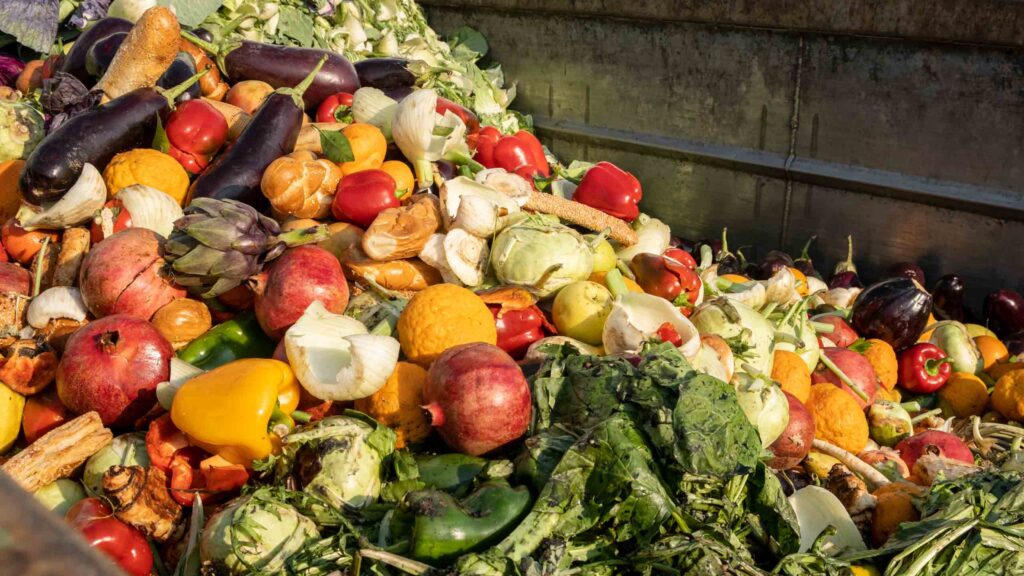
Food waste is a problem that affects households, producers and retail outlets in France. It is estimated that a French person still throws away almost 30 kg of edible food per year., This represents more than 16 billion euros wasted every year.
This loss of resources has a direct impact on the environment: every food item thrown away also wastes water, energy and labour. The local economy and food security are also at stake. Here are the the main causes of food waste and practical ways of limiting it.
What are the main causes of food waste? ?
The food chain is complex. Between the soil and the plate, a lot of food goes to waste because of overproduction, grading requirements, inadequate logistical practices, or the lack of outlets for imperfect products.
Causes among producers
Overproduction and management of agricultural stocks
Weather, disease and variations in demand often push farmers to produce more than they need. Unfortunately, these surpluses don't always find a buyer. So it's not uncommon to see tonnes of fruit or vegetables left in the fields or destroyed, even though they are perfectly edible.
Lack of foresight and poorly adapted outlets lead to these losses. Thanks to short circuits, This means that local producers can sell their surpluses quickly and keep control of their volumes. This limits the number of unsold products, while maximising the value of the entire harvest. Read our review of organic communication with consumers.
Aesthetic standards and product sizing criteria
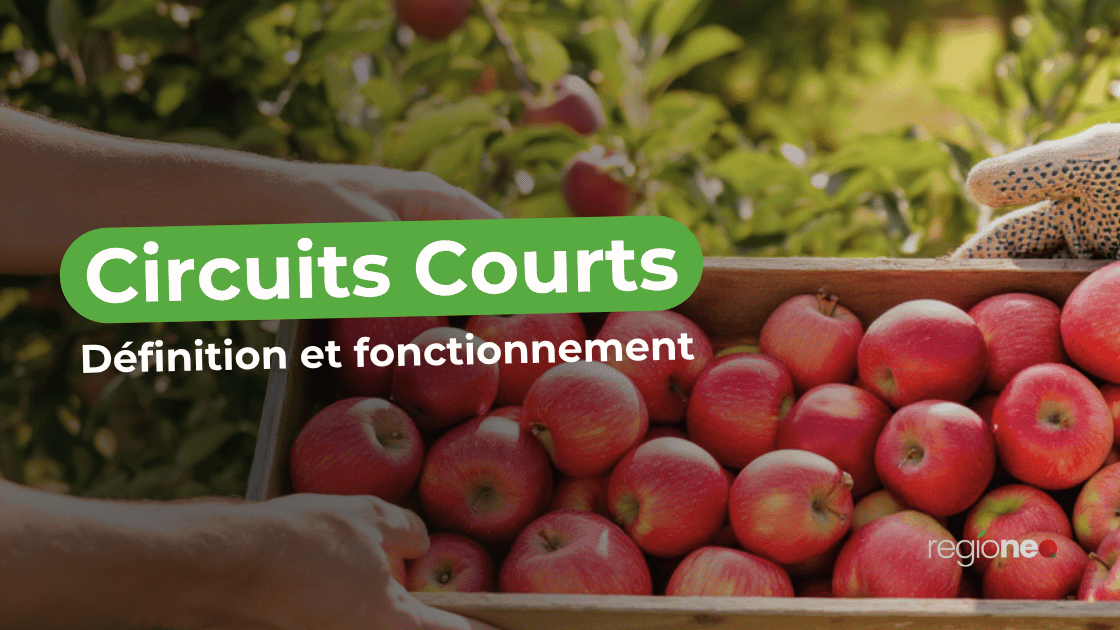
An out-of-whack vegetable, a too-small apple or a twisted carrot doesn't always have a place on the usual shelves, even if it's delicious. The shape, size and colour standards imposed by supermarkets keep a large proportion of produce out of the market. And yet these «uncalibrated» products represent an excellent opportunity to limit waste.
Short circuits and platforms such as Regionéo highlight the natural diversity of the region, promote the authenticity of the harvests and offer baskets combining beautiful and «ugly» vegetables.
Poor management of unsold goods in distribution and catering
Waste does not stop at the production stage. In supermarkets and restaurants, unsold food and leftovers often end up in the bin. Portions that are too generous, difficult to anticipate visitor numbers or unsuitable stocks are all sources of waste.
Simple solutions do exist, however, such as’use of the doggy bag or offers of anti-gaspi baskets. In small-scale distribution or on direct sales platforms, unsold products can be recycled quickly, instead of being thrown away. This encourages a circular and inclusive economy, where every product counts. Action to combat bread waste
Causes among consumers
French households are also responsible for a large proportion of food waste. Poor management of purchases, ignorance of dates, organisation in the kitchen... sometimes all it takes is a simple change of habit to reduce the amount of waste.
Overbuying and promotional offers
When promotions like «buy one, get one free» appear, it's tempting to take advantage, even if you don't need all the quantities. As a result, the fridge overflows, the fruit and vegetables spoil, and it's the bin that benefits. Buying locally helps you to buy only the essentials and to make the most of every local product.
To avoid over-purchasing:
- Make a clear list before you go to the market or to the producer.
- Favour direct sales, where the temptation of massive offers is weaker.
- Choose formats suited to the size of your household.
Organisation and management of home stocks
An untidy fridge or cluttered cupboards often hide surprises... not always good ones! Planning your meals, taking the time to organise your food from oldest to newest, and keeping an eye on expiry dates are key reflexes.
The weekly baskets offered by Régionéo make this easier:
- Controlled variety, adapted quantities: less risk of overstocking.
- Freshness guaranteed, leaving more time to enjoy.
- Fewer unnecessary temptations: everything that arrives in your basket has a specific place in your meals.
Interpreting best-before dates
Knowing the difference between the best-before date (BBD) and the best-before date (BBD) avoids many mistakes. Many foods can still be eaten after the best-before date, even if the date has passed. Artisanal products from short distribution channels often benefit from better traceability and superior freshness, reducing the risk of forgotten or prematurely discarded products.
Here are a few tips to help you throw away less:
- Read the labels carefully: don't throw them away just because the date has passed.
- Trust your senses too: smell, look and taste are your best allies.
- Favour regular purchases in small quantities, rather than massive stocks to «save money».
L’direct purchase from producers via platforms such as Régionéo guarantees transparency on the origin and freshness of products, two key factors in avoiding waste and strengthening trust between producers and consumers.
Food waste has many causes, from the plot to the cupboard. It's at each stage that we can take action. Short supply chains, better organisation at home, making the most of unsold and imperfect produce: the solutions exist, and they're all within reach.
Régionéo is working with both producers and consumers to combat waste, promote the true wealth of local produce and put quality before size. Whether you're an artisan, a farmer, a family or a curious gourmet, it's time to join the movement.