







In a context where every commodity counts and where pressure on resources is constantly increasing, the anti-food waste label is a real lever for action. More than just a «green» logo, it distinguishes those - farmers, producers, shopkeepers, craftspeople - who make a concrete commitment to reducing waste throughout the food chain.
This label promotes local, responsible and intelligent practices, and meets a dual requirement: to protect the environment while boosting the confidence of consumers in search of meaning and transparency.
Definition of the anti-food waste label
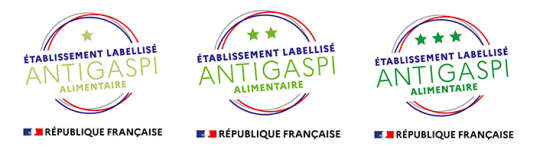
Introduced by AGEC Act no. 2020-105 of 20 February 2020 on the fight against food waste and the circular economy, the anti-food waste label is an official recognition awarded by the French government. It aims to a 50 % reduction in food waste by 2030.
It is awarded to professionals in the sector, from production to distribution, who adopt concrete practices to limit food waste: stock optimisation, surplus processing, solidarity donations, or more awareness-raising initiatives on the ground.
By recognising these commitments, this label highlights pragmatic, responsible and locally-based approaches to a more virtuous food chain. Discover the different levels of AGEC certification.
Who is the anti-food waste label aimed at?
Le The anti-food waste label is aimed at all links in the agri-food chain These include farmers, market gardeners, livestock breeders, food artisans, cooperatives, local grocery shops and supermarkets.
It highlights the practical, local and responsible initiatives taken to limit waste. But it also speaks to consumers, As a result, consumers are increasingly concerned about the provenance of what they buy, the transparency of practices and the environmental impact of their food.
On a platform like Régioneo, committed to a more virtuous approach to food, this label strengthens the bond of trust between committed producers and buyers keen to consume differently. Whether you're a producer or a consumer, signing up to this approach means choosing food that makes sense.
The benefits of the label for local producers and traders
Obtaining the label will enable you to transform your day-to-day efforts into commercial strength and a recognised commitment. Here are a few highlights.
Reduce losses to improve profitability
Implementing the anti-waste label means tangibly reducing food waste. Fewer products thrown away means more savings: every kilo saved represents a margin recovered. This means better anticipation of sales, more accurate stock management and more value for money for products at the end of the cycle.
What's more, this official sign sets you apart from other players, while opening the door to new markets for increasingly sensitive consumers.
Reduce waste management costs
Less waste also means fewer volumes to be processed at the end of the chain. By limiting waste at source, professionals reduce collection, sorting and disposal costs. An effective strategy that combines savings with regulatory compliance.
Create new sources of sustainable income
Thanks to the label, unsold goods can be sold at reduced prices or donated to charities (giving entitlement to tax benefits), or processing for new marketing. These levers enable an unsold product to be transformed into an economic opportunity.
Taking action for the environment and boosting its credibility
Reducing waste also means preserving natural resources (water, energy, farmland) and reducing greenhouse gas emissions. This responsible positioning appeals to consumers and enhances the brand's image. The label thus becomes a strong marker of commitment and professionalism.
Prospects for committed consumers
For consumers, the anti-food waste label acts like a compass. It enables them to identify local products produced responsibly, to focus on traceability, and to distinguish between a committed offer and a simple marketing argument.
Opting for certified artisans and retailers is also a concrete way of supporting the fight against waste, encouraging the redistribution of unsold produce and guaranteeing quality, seasonal and tasty food. It's one more step towards reducing our ecological footprint while enjoying the best of local produce.
To find out more: the criteria and procedures for obtaining the label
The anti-waste labelling approach is accompanied by clear requirements in terms of stock management, purchasing and unsold stock, adapted to the specific characteristics of the sector.
If you would like to find out more, read our detailed articles on how to obtain the anti-food waste label or on criteria for the anti-food waste label.
It promotes good practice, strengthens the bond of trust between producers and consumers, and supports the commitment of platforms such as Régioneo. Supporting, promoting and joining these initiatives means choosing food that is fair, local and sustainable.
FAQ
What is the food waste reduction label?
The anti-food waste label is an official recognition established by Law AGEC no. 2020-105. It distinguishes professionals who implement concrete practices to reduce food loss: stock optimisation, processing of surpluses, donations, or awareness-raising actions.
Who can get this label?
The label is aimed at all actors in the agri-food chain: producers, artisans, cooperatives, local shops, and large supermarkets.
What are the objectives of the anti-food waste label?
The aims of the anti-waste label are to promote responsible practices and to reduce food waste by 50 % by 2030 across all stages of the supply chain: production, processing, distribution, catering and consumption.







How to get the anti-food waste label?
To obtain the label, the establishment must:
Implement concrete actions to reduce waste.
To undergo an assessment carried out by a certification body.
Satisfy the criteria defined in the official repository of the ministry responsible for the environment.
The award therefore relies on an audit procedure followed by a certification decision based on compliance with the AGEC framework.