








An egg surplus after a promotion, the end of a market, or unsold stock? Rather than letting them go to waste, freezing them is an excellent alternative. Yes, It is possible to freeze eggs, but not just any old how.
In this article, you will discover how to freeze whole eggs, whites, or yolks, avoid texture problems, adhere to shelf lives, and successfully defrost them without risk. The objective is clear: to preserve a product that is safe, practical, and easy to use in cooking.
Freezing eggs can be useful in a number of situations. Here are some of the main reasons: * **Fertility Preservation (Social Egg Freezing):** Many women choose to freeze their eggs to preserve their fertility for personal reasons, such as focusing on their career, not yet having found a suitable partner, or wanting to delay childbearing for other life goals. This gives them the option to have children later when they feel more ready. * **Medical Reasons:** If a person needs to undergo medical treatments that could affect their fertility, such as chemotherapy, radiation therapy, or certain surgeries, freezing eggs beforehand is a crucial option to preserve reproductive capabilities. * **Fertility Treatments:** For couples undergoing IVF (In Vitro Fertilisation) or other assisted reproductive technologies, freezing eggs can be part of the process. Unfertilised eggs can be frozen and then fertilised later, or fertilised embryos can be frozen. This allows for multiple treatment cycles if needed without the woman having to undergo ovarian stimulation and egg retrieval repeatedly. * **Unknown Future Needs:** Some people may choose to freeze eggs speculatively, thinking they might want children in the future but are unsure. It offers a form of "biological insurance." * **Donating Eggs:** Women can also freeze eggs to donate to others who are unable to produce eggs or carry a pregnancy, either through altruistic donation or for financial compensation. It's important to note that while freezing eggs can significantly increase the chances of having children later, it doesn't guarantee a pregnancy. The success rates depend on factors like the age at which the eggs were frozen and the number of eggs frozen.
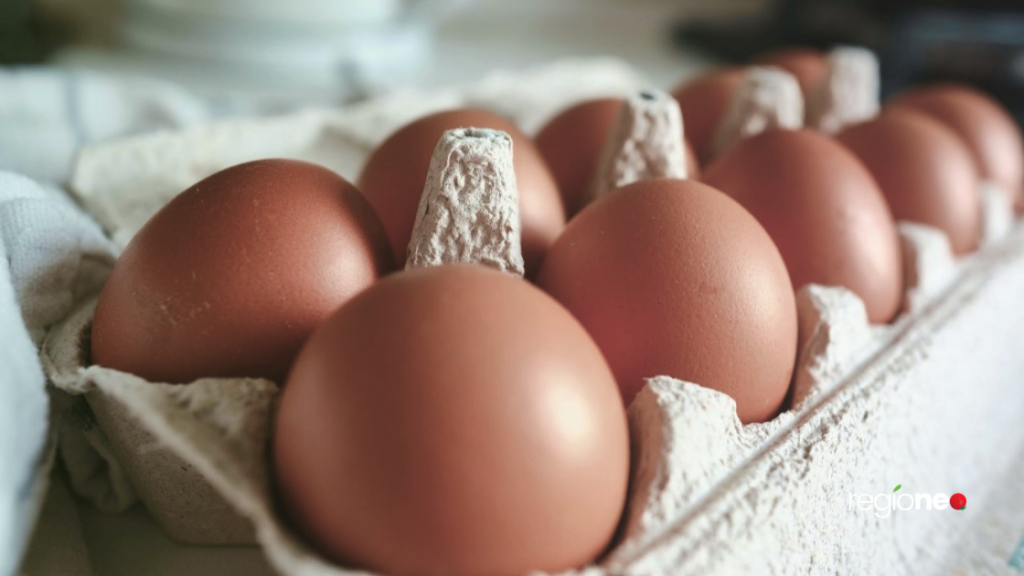
Freezing eggs is a smart reflex when you want to limit waste and manage stock better. At home, it prevents you from throwing things away. For producers and grocers, it helps make the most of unsold items by making them easier to transform.
Do not freeze a raw egg in its shell. The contents expand when frozen, the shell can crack, and you risk contamination and a ruined texture.
How to freeze eggs (whole, whites, yolks)
The equipment is more than sufficient: a bowl, a fork (or a small whisk), ice cube trays or small boxes, airtight containers, and a label. The real secret is to Portion, otherwise you defrost too much, and it ends up being wasted.
Also discover our article: How can you tell if an egg is raw or cooked?.
Whole eggs without shells: the simplest method
- Crack the eggs into a bowl.
- Whisk lightly, just to combine (without making it frothy).
- Pour into portions (ice cube tray or small box).
- Label with the date and number of eggs.
Handy tip: add a tiny pinch of salt if you’re making something savoury, or a little sugar if you’re making something sweet.
Recommended duration: aim for usage within 6 months, typically ranging from 3 to 6 months depending on how the freezer is organised.
Separate the whites and yolks: avoid unpleasant surprises with the texture
The whites They freeze very well, often for up to 10 to 12 months. Once defrosted, they can still be whipped into stiff peaks, though this may take a little longer.
The yellow, on the other hand, tend to set. To prevent this, mix them with a pinch of salt (for savoury dishes) or sugar (for sweet dishes). A simple guide: about 1 teaspoon of sugar for every 4 egg yolks. It’s best to keep them 3 to 4 months.
When it comes to cooked eggs, bear this in mind: hard-boiled egg whites quickly become rubbery, whereas cooked yolks freeze better.
Defrosting, food safety and recipe ideas to reduce food waste
Defrost your eggs safely
Defrost in the fridge, several hours or overnight. Avoid the work surface. In a hurry? A cold water bath also works, as long as the egg is in a sealed bag.
Use quickly after thawing, and do not refreeze. Before freezing, check freshness with simple tests, for example how to spot a stale or unsafe egg in the kitchen.
The best recipes using frozen eggs (avoid fried eggs)
Frozen eggs are brilliant in mixed dishes:
- Quiche
- Well-done omelette
- Cake or moist cake
- Crêpes
- Crème pâtissière (yolks)
- Meringues or financiers (white)
Fried eggs and very “smooth” textures are less suitable, as their texture changes when cold.
Freezing eggs is simple if you follow three rules: no typos, stabilised yolks with salt or sugar, and defrosting in the fridge. For families, it’s an effective way to reduce food waste. For professionals and producers, it’s also a way to make better use of surplus produce, sometimes by cooking and processing it before freezing, when that’s quicker.
FAQ
How long can you keep eggs in the freezer?
From 3 to 6 months for whole eggs or yolks (optimal quality), up to 10-12 months for egg whites. Consume them within the first 6 months for the best flavour and ideal texture.
How to defrost frozen eggs?
Defrost slowly in the refrigerator (several hours or overnight). Avoid room temperature to prevent bacterial growth; a cold water bath is possible if the bag is airtight.
What is the difference between DLC and DDM for eggs?
The Use By date indicates maximum freshness; the Best Before date allows for consumption afterwards if the egg is sound. Consult Our guide: anti-waste DLC vs DDM to sort effectively.