





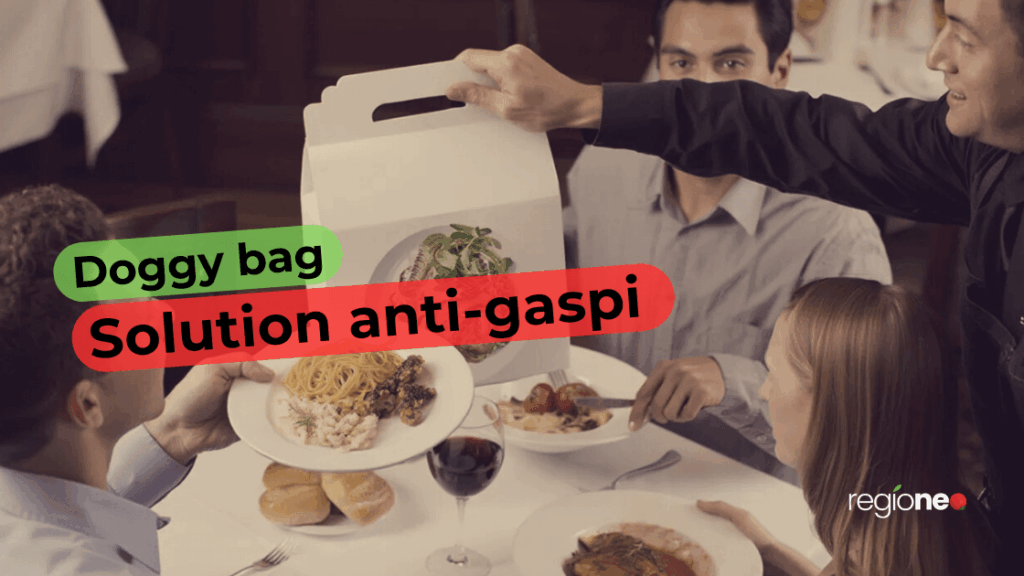
Le doggy bag, The «takeaway bag» is gradually making its way into our restaurants. This simple gesture, which has come over from abroad, combats food waste and meets a real expectation on the part of consumers. committed consumers, local producers and responsible restaurateurs.
Since July 2021, French regulations have changed to make this not only an accepted practice, but also one that can be used in a variety of ways. now compulsory for catering professionals.
Doggy bags: definition and new regulations
Le doggy bag consists of offering customers the chance to take away the leftovers from their meal when they don't finish their plate. Very common in other countries, this gesture remains rare in France because of cultural barriers, a certain embarrassment... or a lack of habit.
La EGALIM law has changed everything: since 1 July 2021, commercial catering establishments have been obliged to provide, free of charge, a suitable container so that customers can take home any uneaten food or drink.
Why doggy bags are becoming compulsory ?
The doggy bag has become a practical way of encouraging more responsible consumption. By allowing customers to take their leftovers with them, it helps to limit food waste, a major issue in the catering sector.
This simple but effective practice makes good sense: consume what we have already produced rather than throwing it away.
Beyond the ecological aspect, this approach also supports the players in the food chain, particularly producers committed to sustainable agriculture. By adding value to each portion served, the doggy bag helps to better manage resources and optimise production. In this way, it becomes a symbol of the ecological transition integrated into our everyday actions.
Who is affected by this obligation?
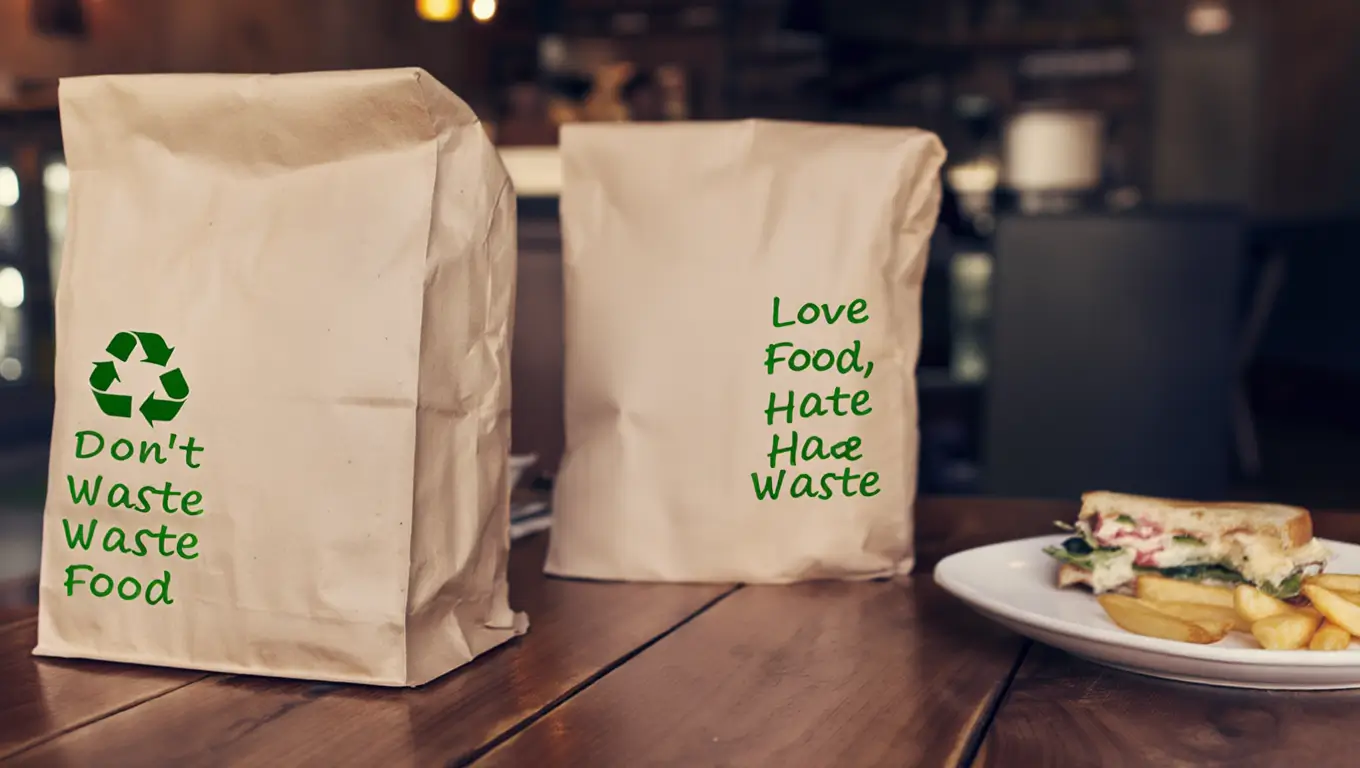
This applies to all traditional restaurants, cafés and brasseries serving meals on the premises. There are only a few exceptions to this rule, such as all-you-can-eat buffets, because it is difficult for the restaurant owner to know what has or has not been eaten on the premises.
The benefits of doggy bags for sustainable catering
Adopting the doggy bag offers many benefits:
- Building customer loyaltyThey appreciate respect for their choice and their wallet.
- Reducing wasteLess food thrown away, less bulky sorting.
- A positive, eco-responsible imageThe gesture marks a commitment to the fight against waste.
From the customer's point of view, the doggy bag makes it possible to prolong the pleasure, to save money and to consume according to one's desires rather than out of obligation.
Removing psychological barriers for customers
The word «doggy bag» originally referred to the bag to take home for your dog. In France, the request for a doggy bag remained taboo, for fear of being judged stingy, fear of disturbing the restaurant owner.
An asset for short circuits and local producers
Promoting the doggy bag means giving a second life to local produce. Meat, vegetables and cheeses from local produce represent a great deal of effort and know-how that should not be wasted.
In this way, restaurateurs can add value to their menus, support the work of craftsmen and reduce the losses associated with processing: a virtuous chain that benefits everyone, especially when integrated with tools like those offered by Regioneo for optimum management of unsold products.
How to set up a doggy bag in your restaurant
A few good practices make it easier to adopt the doggy bag:
- Favour solid, recyclable food containers.
- Informing customers about how to store dishes,
- Avoid dishes that are fragile or unsuitable to take with you, These include lightly cooked preparations, creams and certain desserts.
For restaurateurs, providing suitable containers and integrating them into the service quickly becomes a welcome routine. Customers, on the other hand, have to follow the storage instructions and eat leftovers quickly.
Food safety: preserving the quality of takeaway food
To avoid any risk, it is essential to :
- Guarantee that the cold chain is broken for sensitive products.
- Quick use is recommended, especially for fresh foods such as meat and fish.
- Inform the customer of the ideal shelf life.
Raising awareness and empowering all stakeholders
By promoting the doggy bag initiative in the dining room, on networks and on menus, we are encouraging more sustainable local consumption that respects the work of all concerned and the product itself.
The doggy bag has found its place in France thanks to the mobilisation of the industry, customers and innovative tools to promote anti-waste practices.
This simple but effective change of habit symbolises our collective commitment to sustainable catering that respects the local environment and its artisans.
FAQ
Are all restaurants affected by the doggy bag requirement?
Yes, all restaurants and fast-food outlets are concerned, at the’with the exception of all-you-can-eat buffets and drinks served in returnable containers, which are exempt from this requirement. So the doggy bag is not compulsory for all-you-can-eat buffets?
Is the doggy bag free for the customer?
Not necessarily. The law requires restaurant owners to provide a container in which leftovers can be taken away at the customer's request, but it does not specify that this service must be free of charge. In practice, the restaurant owner may charge for the container, provided it clearly informs the customer in advance, the DGCCRF reminds us.
What is the other name for the doggy bag?
Although the term is commonly used, it can be replaced by «gourmet bag» or «sac anti-gaspi», which are more attractive alternatives adapted to the French context.