







In short:
Cooking products with a short shelf life is safe as long as you distinguish the DLC (expiration date) from the DDM (minimum durability date, indicative, and not to be exceeded).
Every year in France, approximately 9.7 million tons of food waste is produced, of which 3.8 million tons are still edible. A huge part of this waste comes from confusion: people carelessly throw away products that were still perfectly good. Learning to cook with short-dated produce is a way to protect not only your budget (nearly €100 per person per year goes to waste) but also the planet. Ministry of Agriculture
Short date: what exactly are we talking about?
A «short-dated product» is a food whose expiration date is approaching, or has just been reached. This is the essence of the anti-waste approach: these products are often sold off by producers and retailers to be sold before their expiration date, rather than being destroyed.
But it all depends on the type of date. And here, just one letter changes everything for your safety.
DLC or DDM: the distinction that protects your health
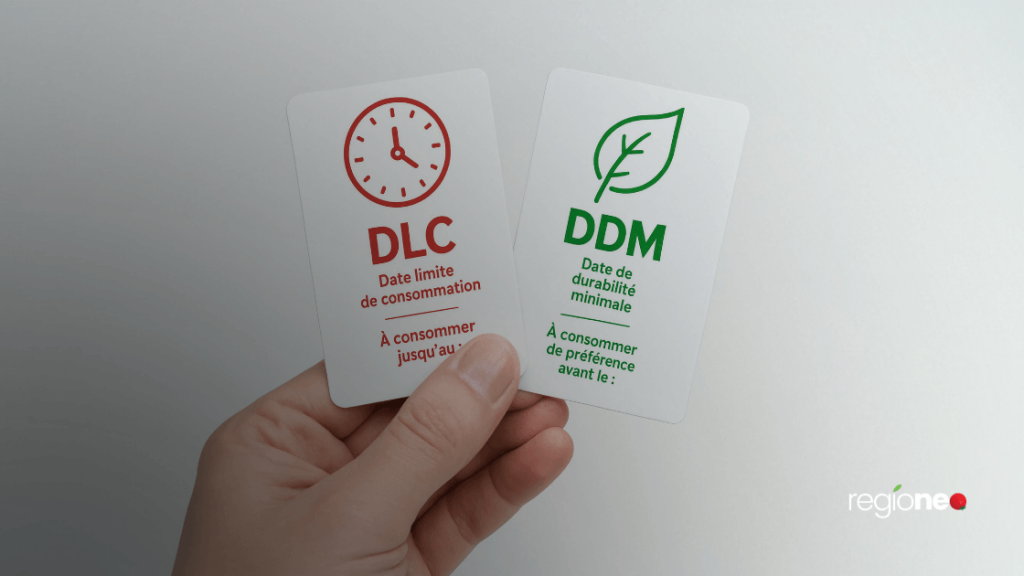
This is the basic skill to master before cooking anything. Only exceeding the DL limit carries a health risk. Public service
La DLC (date of consumption) It is displayed in the form of «for consumption until…». It indicates an absolute limit and applies to most products that must be kept refrigerated and that are highly perishable from a microbiological point of view: meat, fish, cold cuts, prepared dishes, and some dairy products. After this date, they are not to be consumed. Ministry of Economy
La DDM (date of minimum durability) Recognize the mention «to be consumed preferably before the...». A DDM can be exceeded if the packaging is intact, but the product may have lost part of its taste properties. It applies to dry, sterilized or dehydrated products: pasta, rice, coffee, canned foods, flour, biscuits. Ministry of Economy
If you want to delve deeper into the subject, our dedicated article details it. everything that separates these two mentions and how to read them on a label.
Comparative table: DLC vs DDM
| Criterion | DLC | DDM |
|---|---|---|
| Mention on the packaging | «For consumption up to…» | «To be consumed preferably before...» |
| Issue | Food security | Quality (taste, texture, nutrients) |
| Affected products | Meat, fish, cold cuts, fresh dishes, some dairy products | Pasta, rice, canned food, coffee, flour, biscuits |
| Usable after the date? | No, health risk | Yes, if intact packaging and normal appearance |
| Can it still be sold? | No | Yes |
The sale of food that is unfit for consumption is punishable by a fine: products with an expired DLC are withdrawn from sale, while those with an expired DDM can legally continue to be marketed. Nouvelle-Aquitaine DREETS
The 3 reflexes before cooking a short-dated product
Before you start, systematically adopt these checks, especially for a product with outdated DDM:
- The eye: Normal color, no mold, non-inflated or damaged packaging. For a canned product, deformation, rust marks, or bulging of the box may indicate a deterioration: in case of doubt, do not consume it. Nouvelle-Aquitaine DREETS
- The nose: A foul, rancid or unusual odor is a sign of immediate stopping.
- The touch / the taste: Squeamish or abnormal texture = trash. Otherwise, a small cautious tasting serves to dispel any remaining doubts.
This «observe before throwing» logic applies to many foods considered fragile. The egg is a perfect example: instead of relying on the date, learn to test whether an egg is still safe to eat before cooking it.
What foods to cook, and how? The anti-waste table
Here's how to transform the most common short-dated products based on their nature.
| Food | Short/outdated date? | Anti-waste cooking idea |
|---|---|---|
| Vegetables a bit mushy | To cook quickly | Soup, velouté, polenta, quiche, broth |
| Overripe fruits | To cook quickly | Compote, smoothie, tart, crumble, jam |
| Yoghurt (DLC coming soon) | Before the DLC | Yogurt cake, marinade, sauce, pancakes |
| Milk (DLC coming soon) | Before the DLC | Bechamel, crepes, rice pudding, flan |
| Raged bread | Without a date | Bread, crusts, breadcrumbs, pudding |
| Eggs | Freshness test | Omelette, quiche, flan, cakes |
| Meat/fish (DLC) | Before the DLC only | Cooking with immediate heart, or freezing before the date |
| Canned food (DDM) | Usable after | Soups, salads, gratins |
| Pasta / rice / dry vegetables (DDM) | Consumable for a long time after | The base of all your dishes |
A small safety note: you should never freeze a product with an achieved or exceeded DLC. Freezing stops the microbial growth, but it does not slow it down. On the other hand, freezing before The date is an excellent anti-waste strategy. This is true even for foods that are believed to be non-freeze-able, as our method shows. to freeze eggs without spoiling them. Ministry of Economy
Malin recipes for zero waste
Some classics that «save» short-dated products:
- The all-purpose soup: All the vegetables that are tired of the pot; a bouillon cube, mixed. Unbeatable for clearing the fridge.
- The cake or the savory quiche: receives leftovers of vegetables, cheese at the end of its shelf life, ham with a short shelf life.
- The express compote: Apples, pears or overripe fruit, a little sugar, 15 minutes of cooking.
- The lost bread: the universal response to bread that has gone stale and milk that has gone sour.
- The yogurt sauce: a near-ready-to-eat yogurt with dill greens and lemon to accompany crudités and grilled foods.
Even a product that we almost throw away reflexively has multiple uses. For example, expired milk can be used for much more than just a meal, as our list details. anti-waste uses for expired milk.
Buy locally and in season: the best prevention
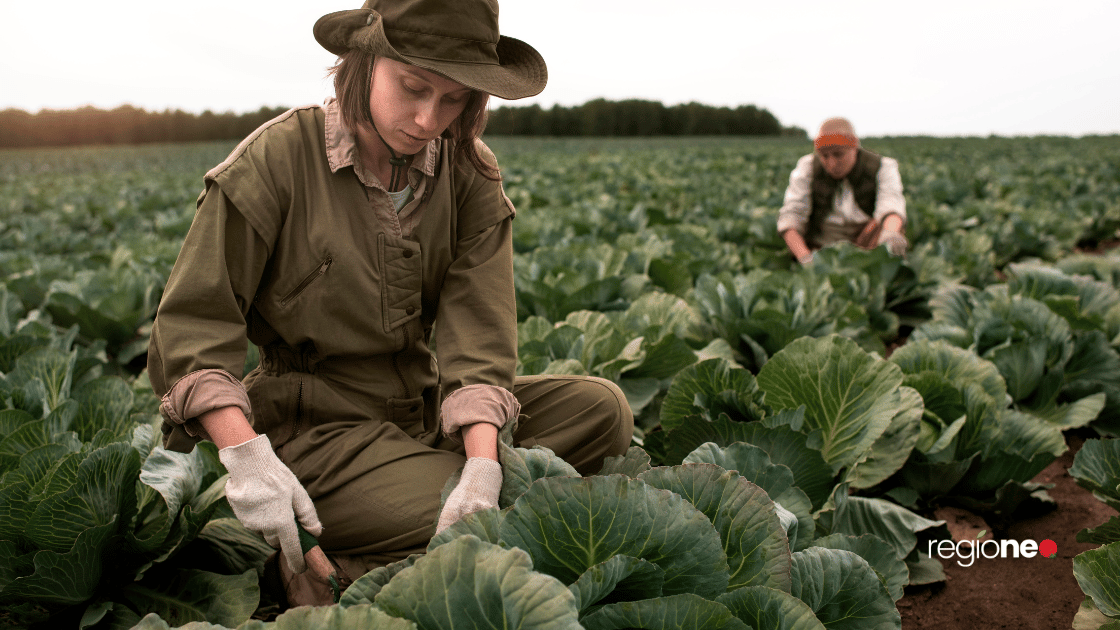
Cooking products fresh is a way to prevent waste. But you can also prevent it in advance by buying better products. Products sold in short circuits spend less time in transport and storage: they arrive fresher, with a longer real shelf life once they reach your home.
Understanding What a short circuit really is helps to make these choices. And adapt your purchases to Calendar of seasonal fruits and vegetables guarantees products with the best freshness, therefore less likely to end up in the trash.
This is exactly the logic behind Regioneo: to directly connect producers and consumers, with anti-waste baskets that value short-dated products, surplus produce, and «ugly» fruits and vegetables rather than destroying them. Buying these baskets means supporting farmers selling directly while also reducing waste in a practical way.
FAQ – Cooking short-dated products
Can you eat a product whose DLC has expired?
No. The DLC applies to very perishable products and exceeding the time limit poses a real health risk. You should not consume fresh produce (meat, fish, cooked dishes) after the DLC has expired.
Can you eat a product whose DDM has expired?
Yes, in most cases. Products whose DDM has expired can be sold, but they may lose their flavor or nutritional value. Always check the packaging, appearance, and smell before consuming. Ministry of Economy
How long after the DDM does a product remain good?
It depends on the product: several months for pasta, rice or coffee, often over a year for an intact can. It is the taste quality that declines gradually, not the safety, as long as the packaging is intact.
Can a product that is close to expiration be frozen?
Yes, but only before The deadline. A product whose DLC has been reached or exceeded can never be frozen.
How can you recognize a product that you should absolutely not cook with?
Unusual odor, mold, viscous texture, swollen packaging, or canned food that is bulging or rotted. In case of doubt, there is no risk: throw it away.
Cooking on a short schedule, does it really make a difference?
Yes. A Frenchman throws away an average of 19 kg of food that is still edible each year. Every product saved counts, both for the budget and for the environment.
This article is for informational purposes. In case of doubt about the safety of a food product, it is always best to refrain from eating it.
What grade do you give this article?